Expedition Cruising
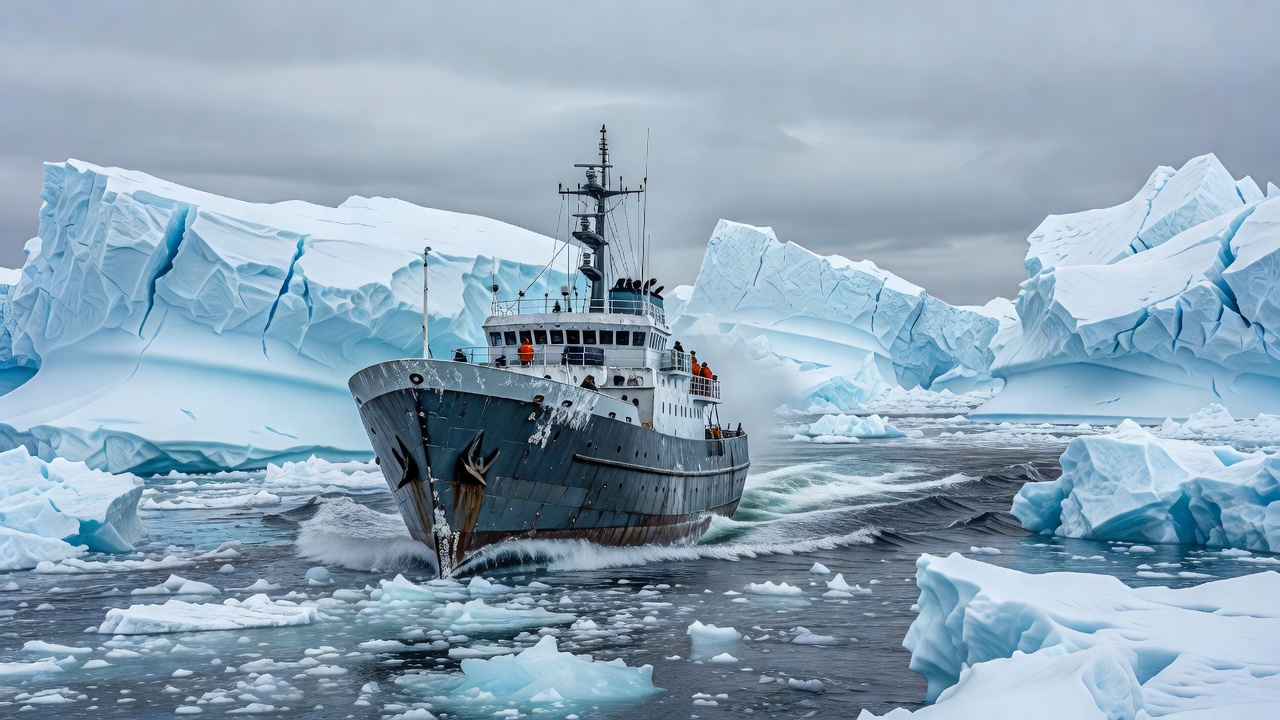
While mainstream cruising focuses on the ship as the destination, expedition cruising turns the focus entirely outward. Operating in some of the most remote, pristine, and hostile environments on Earth—such as Antarctica, the Arctic Circle, and the Galapagos Islands—these vessels require highly specialized engineering and operational protocols.
Ice-Class Hulls and The Polar Code
Vessels intended for polar waters must comply with the International Code for Ships Operating in Polar Waters (the Polar Code). This mandates strict standards for structural integrity, safety equipment, and environmental protection. Expedition ships feature "Ice-Class" hulls. This designation means the hull plating is thickened, particularly around the waterline, and the internal framing is reinforced to withstand impacts with first-year ice and small ice floes.
Some cutting-edge expedition vessels employ an X-Bow design. Rather than a traditional raked bow that rides over waves, an inverted bow slices through them. This reduces pitching, improves fuel efficiency, and provides a much smoother ride in notoriously rough areas like the Drake Passage.
Tender Operations and Zodiacs
Expedition cruising relies on shore landings in locations with zero port infrastructure. To achieve this, these ships are equipped with fleets of rigid inflatable boats, commonly referred to by the brand name Zodiacs. The ship's internal layout must include a "mud room" or staging area near the waterline where passengers can safely gear up and board the Zodiacs rapidly.
Environmental Technologies
Operating in fragile ecosystems demands stringent environmental controls. Many expedition ships utilize dynamic positioning systems (DPS). DPS uses GPS and the ship's thrusters to hold the vessel exactly in place without dropping an anchor, thereby protecting sensitive seabeds and coral reefs.
Additionally, these ships often operate on marine gas oil (MGO) or battery-hybrid systems in sensitive areas to eliminate the soot and heavy emissions associated with traditional bunker fuels. Zero-discharge policies are strictly enforced, meaning all waste must be retained onboard until it can be processed at an approved shoreside facility.
Capacity and Guest Experience
Expedition ships are inherently small. Many carry fewer than 200 passengers, a requirement often dictated by landing regulations. For instance, in Antarctica, treaties dictate that no more than 100 passengers may be ashore at any one specific landing site simultaneously. A smaller ship allows for efficient rotations and maximizes the time guests spend exploring the environment rather than waiting in staging areas.
The engineering of an expedition ship represents a perfect synthesis of rugged survivability and sustainable technology, allowing travelers to reach the ends of the earth without leaving a permanent mark.