Luxury Boutique Cruising
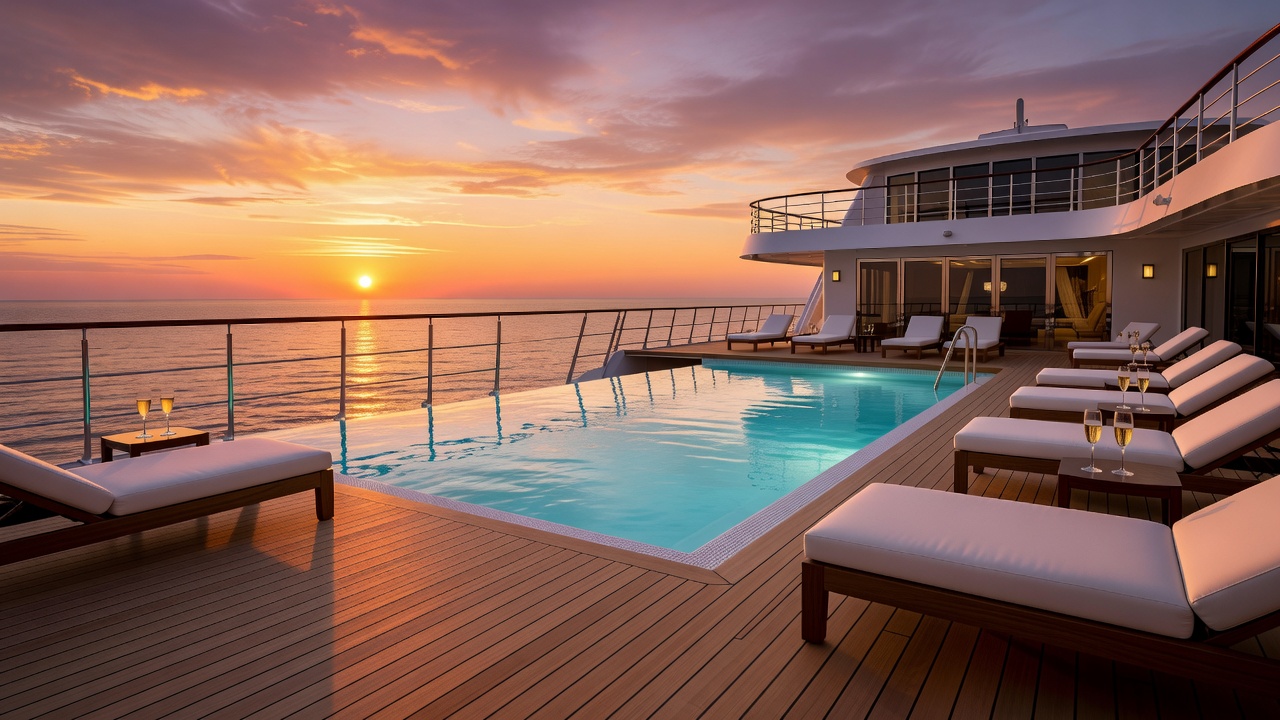
While the broader cruise industry often focuses on maximizing volume and onboard attractions, the luxury boutique sector operates on entirely different metrics. Lines such as Silversea, Seabourn, and Regent Seven Seas Cruises design their vessels around exclusivity, personalized service, and access to boutique ports. This guide breaks down the architectural and operational differences that define this tier of maritime travel.
The Metrics of Luxury: Space and Ratios
In maritime architecture, luxury is mathematically quantified through two primary ratios: the space ratio and the crew-to-guest ratio.
- Space Ratio: Calculated by dividing the ship's gross tonnage by its passenger capacity. A standard mega-ship might have a space ratio of 30 to 40. Luxury boutique vessels routinely exceed a ratio of 60 or 70. This translates to larger suites, wider corridors, and public spaces that never feel crowded.
- Crew-to-Guest Ratio: Mainstream ships often operate at a 1:3 ratio (one crew member for every three passengers). True luxury vessels aim for a 1:1.5 or even closer to a 1:1 ratio, enabling highly intuitive and personalized service, such as dedicated suite butlers.
Suite Design and Materials
Boutique luxury vessels eschew standard interior staterooms. The modern standard for this tier is an all-suite, all-balcony configuration. The materials used in construction reflect a higher standard: real marble bathrooms, extensive use of hardwood veneers, and premium textiles. The acoustic engineering is also superior; bulkheads between suites are heavily insulated to ensure complete privacy and quiet.
Destination Immersion
A smaller physical footprint is a deliberate choice. Luxury vessels typically range from 10,000 to 50,000 gross tons. This allows them to navigate narrow fjords, sail up rivers (such as the Thames to dock alongside HMS Belfast in London), and berth at exclusive yachting ports like Portofino or St. Barts, where mega-ships must drop anchor miles offshore or bypass entirely.
By focusing on structural intimacy rather than massive scale, luxury boutique cruising preserves the romance of sea travel while delivering an uncompromising hospitality experience.