Iconic Historical Vessels
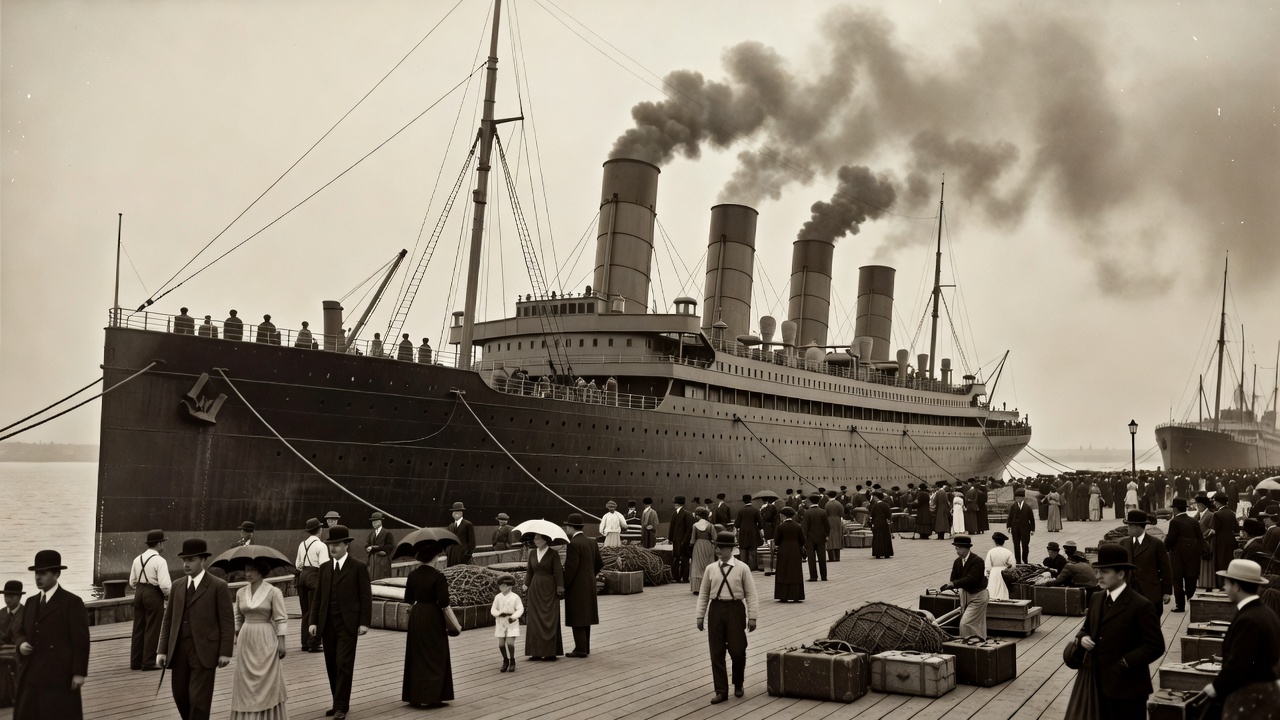
Before the advent of the commercial jet airliner in the late 1950s, the only way to traverse the world's oceans was by sea. The competition between nations to build the fastest, largest, and most luxurious ocean liners led to an unprecedented era of maritime engineering. This guide examines several vessels that defined the golden age of transatlantic travel.
The Quest for the Blue Riband
The Blue Riband was an unofficial accolade awarded to the passenger liner crossing the Atlantic Ocean in regular service with the record highest average speed. This competition drove radical innovations in propulsion—from paddle wheels to screw propellers, and from coal-fired steam engines to oil-fired steam turbines. Nations viewed these ships not just as commercial ventures, but as floating embodiments of national pride and technological superiority.
SS United States (1952)
The SS United States remains one of the most remarkable feats of American maritime engineering. Built in a post-WWII environment, her design was heavily subsidized by the US Government with the stipulation that she could be rapidly converted into a troopship if necessary. Consequently, she was constructed with an obsessive focus on weight reduction and fire safety; almost no wood was used in her fitting out.
Her exact top speed was classified for many years, but on her maiden voyage in 1952, she shattered the transatlantic speed record, crossing in 3 days, 10 hours, and 40 minutes at an average speed of 34.51 knots. She holds the Blue Riband to this day for a conventional ocean liner.
RMS Queen Elizabeth 2 (1969)
Colloquially known as the QE2, this vessel represented a transition period in maritime history. Entering service when jet travel was rapidly eroding the transatlantic market, the QE2 was designed to be versatile. She was built with a slightly shallower draft than her predecessors, allowing her to pass through the Panama Canal and undertake leisure cruises during the winter months when Atlantic crossings were less profitable.
She served as the flagship of the Cunard Line for decades and even served as a troop transport during the Falklands War. Her long service life demonstrated the viability of transitioning classic liners into the burgeoning cruise market.
SS France (1961)
The SS France was the pride of the French Line, designed to be the longest passenger ship ever built at the time. She was renowned for her striking profile, featuring distinctive winged funnels designed to carry soot clear of the passenger decks. Her interior was a showcase of mid-century French art and gastronomy.
Despite her elegance, changing economic realities and rising fuel costs made her unprofitable by the 1970s. She was eventually sold and heavily modified into the cruise ship SS Norway, extending her life but altering her classic ocean liner profile forever.
The Legacy of the Era
The vessels of the transatlantic era laid the groundwork for modern maritime safety regulations. The tragic loss of the RMS Titanic in 1912 led directly to the formation of the International Convention for the Safety of Life at Sea (SOLAS), which mandates sufficient lifeboats, continuous radio watches, and international ice patrols—standards that keep today's modern mega-ships safe.
While the economic imperative of the fast ocean crossing has disappeared, the aesthetic and engineering achievements of these historical vessels continue to influence shipbuilders and naval architects around the world.