Modern Mega-Ships
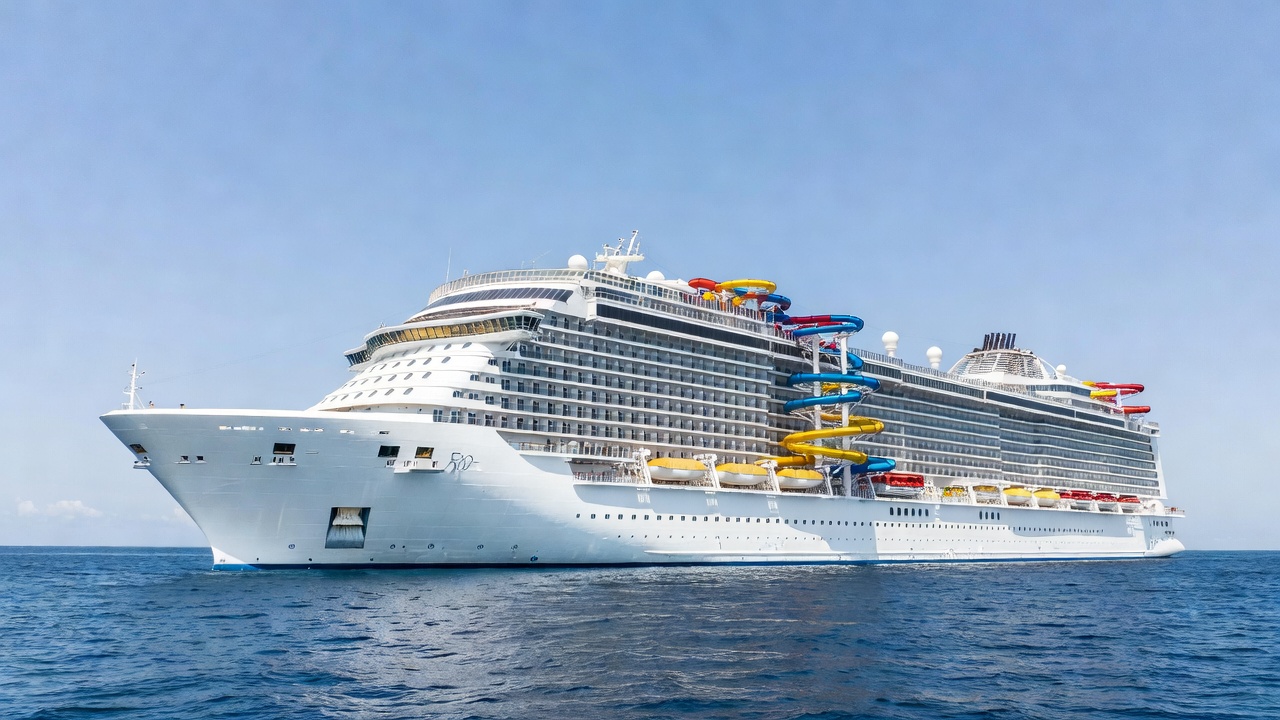
The trajectory of modern cruise ship design over the last two decades has been defined by an arms race of scale and onboard amenities. As the industry realized that the ship itself could serve as the primary destination, naval architects were tasked with building floating resorts of unprecedented size. This guide outlines the logistical and engineering frameworks that make these modern mega-ships possible.
The Scale of the Oasis and Icon Classes
The introduction of the Oasis-class ships (beginning with Oasis of the Seas) fundamentally altered industry standards. These ships exceed 220,000 gross tonnage and feature split superstructures, allowing for open-air promenades down the center of the vessel. The subsequent Icon class pushes these boundaries further, reaching gross tonnages in excess of 248,000 and maximizing guest capacity beyond 7,000 passengers at maximum occupancy.
To manage such immense passenger loads, designers employ a "neighborhood" concept. By breaking the ship into distinct themed zones—such as a central park area, a boardwalk, and entertainment districts—crowd flow is naturally dispersed, preventing bottlenecks that would otherwise plague a vessel carrying the population of a small town.
Propulsion and LNG Technology
Moving a structure that weighs a quarter of a million gross tons efficiently requires significant power. Traditional heavy fuel oil is being aggressively phased out in new builds in favor of Liquefied Natural Gas (LNG). LNG significantly reduces emissions of sulfur oxides, nitrogen oxides, and particulate matter.
Modern mega-ships rarely use traditional fixed propellers and rudders. Instead, they utilize azimuthing podded propulsors (azipods). These electrically driven propellers are housed in pods suspended beneath the hull that can rotate 360 degrees. This provides these massive vessels with exceptional maneuverability, allowing them to dock without the aid of tugboats in many ports.
Logistics and Provisioning
Operating a mega-ship is an exercise in extreme logistics. A typical 7-day Caribbean sailing on a ship carrying 6,000 guests requires astronomical amounts of provisions. The internal architecture of the ship includes a heavily utilized central corridor on a lower deck, colloquially known as "I-95." This wide avenue runs nearly the length of the ship and is used by the crew to move food, luggage, and supplies out of sight of the passengers.
Waste management is equally complex. These ships function as their own municipal utilities, featuring advanced wastewater purification systems that often discharge water cleaner than the municipal standards of the ports they visit. Solid waste is sorted, compacted, incinerated, or prepared for recycling shoreside.
Stability in Wide Hulls
To support massive superstructures full of water parks, theaters, and thousands of balconies, mega-ships are built extremely wide. This wide beam provides enormous initial stability. To counter the rolling motion that can occur in rougher seas, they are equipped with active stabilizer fins—massive airplane-like wings that deploy from the side of the hull below the waterline. Controlled by gyroscopes and computers, these fins pivot to counteract the roll of the waves, ensuring the water in the onboard swimming pools stays level.
The modern mega-ship represents a triumph of hospitality engineering. While they may not brave the North Atlantic gales like the ocean liners of old, keeping a floating city powered, provisioned, and entertained requires an equally impressive feat of design.